If you’re moving for schools and a true suburban lifestyle, East Cobb should be on your short list. You want strong public school options, reliable commutes, parks for weekends, and shopping that makes daily life easy. In this guide, you’ll learn how East Cobb’s school feeder patterns work, what the housing market looks like, and where families spend their time. You’ll also get a simple, step-by-step plan to shop with confidence. Let’s dive in.
Why East Cobb draws families
Quick snapshot
- East Cobb is a large, established suburban area in northeast Cobb County, commonly tied to Marietta postal addresses. It’s known for family-oriented neighborhoods, parks, and convenience-focused shopping clusters. Local guides describe what counts as East Cobb.
- Public school feeder patterns are a major driver of demand. The Cobb County School District (CCSD) publishes the official feeder-pattern percentages that show which elementary and middle schools feed into each high school. Use the district’s PDF and tools to confirm a home’s assigned schools before you buy. Download the CCSD feeder-pattern percentages.
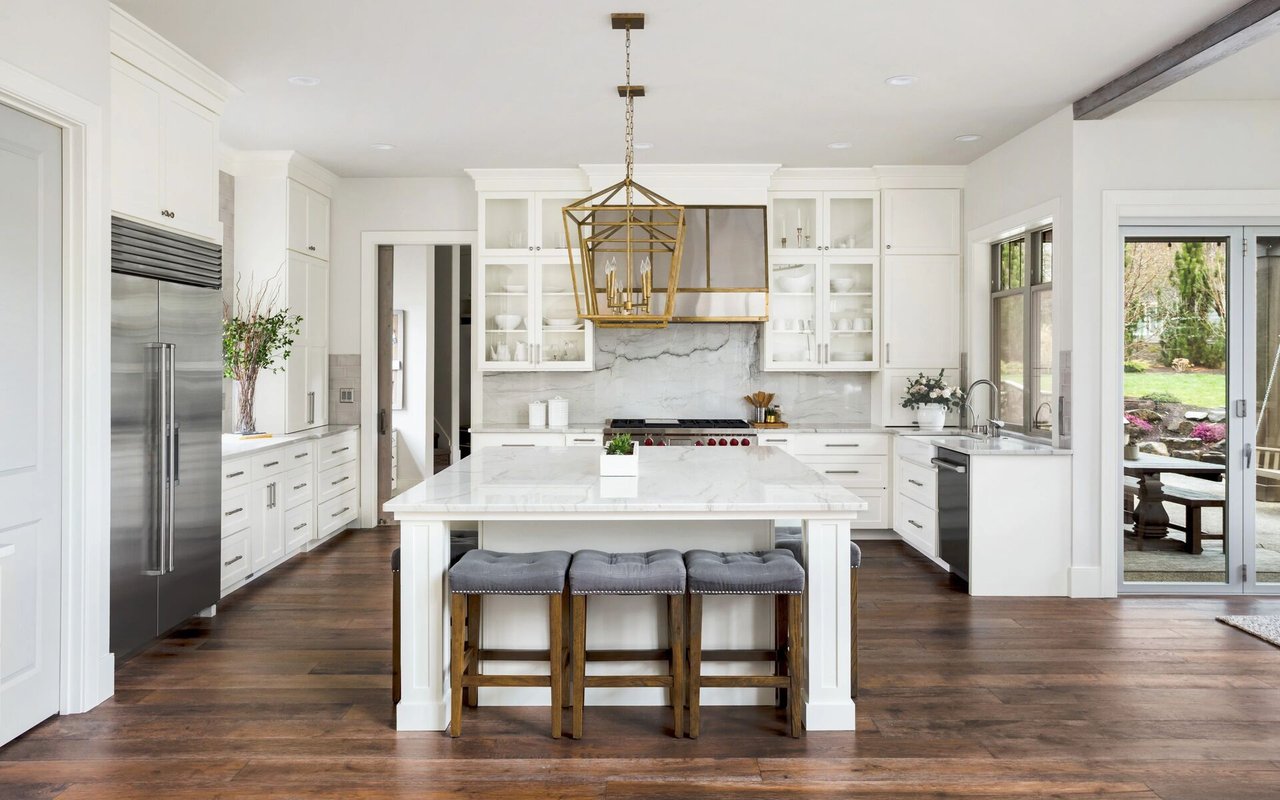
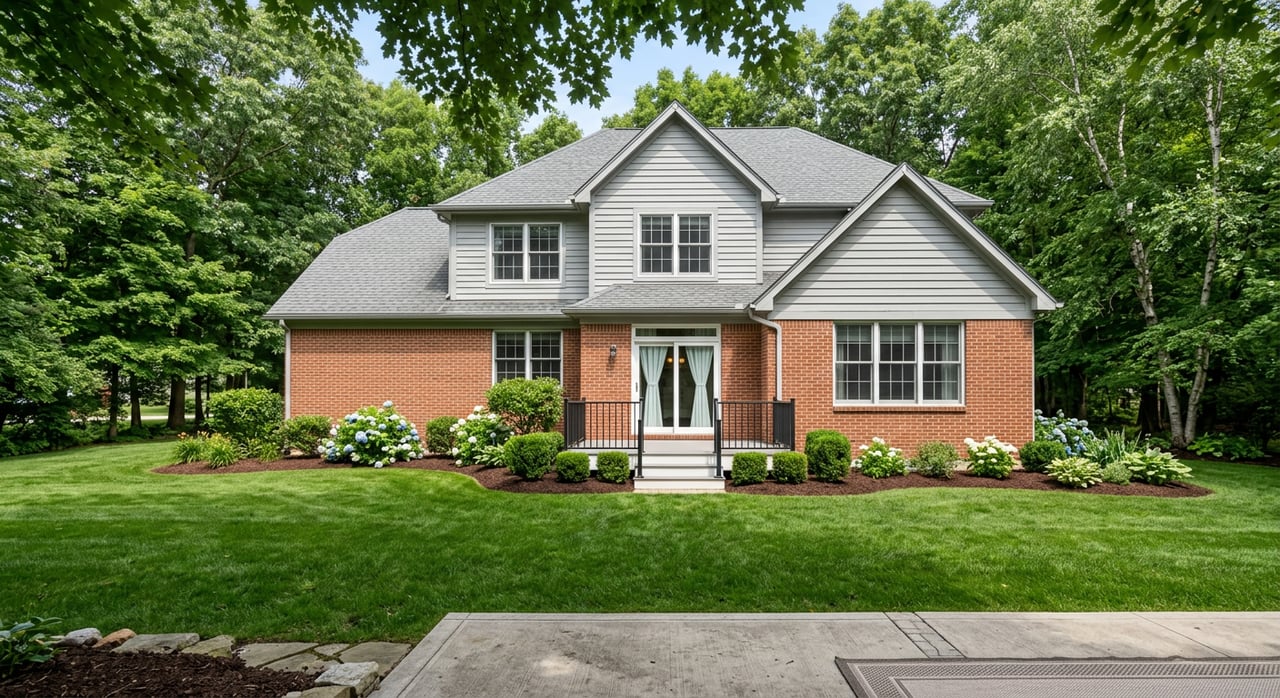
- Housing is mostly single-family homes built from the 1970s to 1990s, with newer custom builds in premium pockets and townhomes or condos near shopping nodes. Pricing varies by neighborhood and school zone.
- Everyday amenities include East Cobb Park and Mabry Park, access to the Chattahoochee River and Sope Creek trails, and destination shopping at The Avenue East Cobb and Paper Mill Village. See East Cobb Park details and The Avenue East Cobb overview.
Understand East Cobb schools
How feeder patterns work
Cobb County organizes schools by attendance zones that flow from elementary to middle to high school. Some elementaries split between multiple middles, and some middles split between two high schools. That means two nearby streets can feed different high schools.
- Start with CCSD’s official resources. The district’s feeder-pattern percentages PDF lists the exact pathways and splits. Access the feeder-patterns page and download the percentages PDF.
- Always verify a specific address with CCSD before making an offer. Feeder patterns are updated periodically.
The high school clusters families ask about
Relocating families often focus on three East Cobb high schools due to strong program offerings and consistent recognition in state comparisons.
- Walton (George Walton Comprehensive High School). Dickerson Middle is a primary feeder, and Dodgen Middle splits between Walton and Pope. Walton’s page outlines AP and college-prep programming. Review Walton’s school information.
- Pope (Alan C. Pope High School). Hightower Trail Middle commonly feeds into Pope, and Dodgen contributes a share as well. Consult the CCSD percentages for current splits.
- Lassiter High School. Mabry Middle is a strong feeder to Lassiter. Lassiter appears with high parent-facing ratings on public sites. See Lassiter’s profile on GreatSchools.
The key is to confirm the exact pathway for the property you’re considering. The percentages vary by part of each zone.
What to verify before you buy
- Confirm the assigned schools by address. Use CCSD’s feeder-pattern tools and verify directly with the district.
- Ask about program fit. Visit school websites for AP, dual-enrollment, and extracurricular offerings, then call or tour to learn more. For example, Walton lists programs and contacts on its official page. Check Walton’s information.
- Consider boundary risk. If you’re near an attendance line, ask about recent or potential redistricting. Use CCSD’s feeder-patterns page and review district updates.
Housing and price signals
What you’ll find
Most East Cobb neighborhoods feature traditional single-family homes on quarter- to half-acre lots. Many were built between the 1970s and 1990s and have seen steady updates. You’ll also find newer custom construction in select pockets where older homes were rebuilt. Townhomes and condos are more common near shopping hubs and main corridors.
How school zones affect pricing
Research in housing economics shows that perceived school quality often influences home prices, a dynamic you will see in East Cobb. In areas where school differences are well known and inventory is tight, buyers may compete more aggressively inside the most sought-after zones. The exact premium varies by neighborhood, housing stock, and recent sales data. A broad academic review summarizes how and why these effects appear across markets. Read an overview in a real estate and macroeconomics handbook.
What matters most for your decision is the recent comparable sales inside the school path you want. Focus on true apples-to-apples comparisons for size, condition, and location within the same attendance zone.
Current price snapshot
As a general benchmark, early 2026 data for the core East Cobb ZIP 30062 showed a median sale price around 529,000 dollars. Other East Cobb ZIPs vary, and micro-neighborhoods within each zone can price very differently. Expect meaningful differences at attendance boundaries. Use the last 6 to 12 months of local comps for the most accurate picture.
Parks, trails, and everyday life
Parks and outdoor access
East Cobb Park is a local favorite with playgrounds, creek-side walking paths, pavilions, and frequent community events. Mabry Park offers playgrounds, trails, a pond overlook, and open space. Fullers Park supports youth sports and recreation. You’re also close to the Chattahoochee River and Sope Creek trails for weekend hikes and bike rides. Explore East Cobb Park on the county site.
Shopping and dining hubs
Two clusters anchor daily convenience: The Avenue East Cobb and Paper Mill Village. You’ll find restaurants, groceries, fitness, and services that make it easy to stay close to home for errands and nights out. Merchant’s Walk and nearby strip centers round out options in every direction. Get a quick look at The Avenue East Cobb.
Commutes and services
Key corridors include Roswell Road, Johnson Ferry, I-75, and I-575. Drive times vary by time of day, but the local road network and multiple surface routes give you flexibility. East Cobb’s public services and access to nearby medical centers add to the area’s appeal for families. This local overview explains East Cobb’s setup.
Step-by-step plan for school-focused buyers
Use this checklist to keep your search on track:
- Verify attendance by address
- Use CCSD’s tools and the official feeder-pattern percentages. Confirm with the district before you write an offer. Start with CCSD feeder patterns and download the percentages PDF.
- Combine school research with a visit
- Review program offerings, AP and dual-enrollment options, and extracurriculars. Call the school and, if possible, tour the campus. Walton’s page is a good example of program details.
- Analyze recent comps inside the zone
- Ask for 6 to 12 months of comparable sales within the same attendance path. The boundary line can shift pricing, so stay inside your target zone for comps.
- Be prepared to act fast
- Homes in sought-after zones can move quickly. Have your financing ready, understand likely competition, and set clear criteria to avoid hesitation.
- Weigh boundary risk and buffers
- If you’re near an attendance line, ask about recent redistricting and consider homes deeper inside the zone for greater stability. Review CCSD’s feeder-patterns page.
- Consider private-school alternatives
- If you’re open to private options, factor that into your search and budget. The federal database can help you find nearby schools. Search private schools near East Cobb.
Get guided, local help
Moving for schools touches your family’s daily life, budget, and long-term plans. You deserve a steady hand through address-level school checks, pricing strategy, and negotiation. If you’re considering East Cobb, our team can pair deep local knowledge with a calm, step-by-step process to help you land the right home in the right zone. When you’re ready, connect with Sheree Knapp for a friendly, no-pressure conversation about your goals.
FAQs
What and where is East Cobb?
- East Cobb is a large suburban area in northeast Cobb County, often using Marietta postal addresses, known for family neighborhoods, parks, and shopping hubs.
Which East Cobb high schools are common choices?
- Many relocating families look at Walton, Lassiter, and Pope; verify any property’s assignment using CCSD’s official feeder-pattern resources and percentages PDF.
How do feeder patterns affect my search?
- Attendance zones flow elementary to middle to high school, with some splits; confirm your specific address with CCSD so you know exactly which schools a home feeds.
What is the current price picture in East Cobb?
- As a benchmark, the 30062 ZIP showed a median sale price around 529,000 dollars in early 2026, with wide variation by micro-neighborhood and school zone.
What parks and shopping areas will I use most?
- Families often frequent East Cobb Park and Mabry Park for play and trails, and The Avenue East Cobb, Paper Mill Village, and Merchant’s Walk for daily shopping and dining.
How can I confirm a home’s assigned schools?
- Use CCSD’s feeder-patterns page and the official percentages PDF, then contact the district to confirm the assignment for the exact address before you buy.
Are private schools nearby if we compare options?
- Yes, several private schools are within a short drive; use the federal private school search tool to review nearby options and compare programs and commute time.