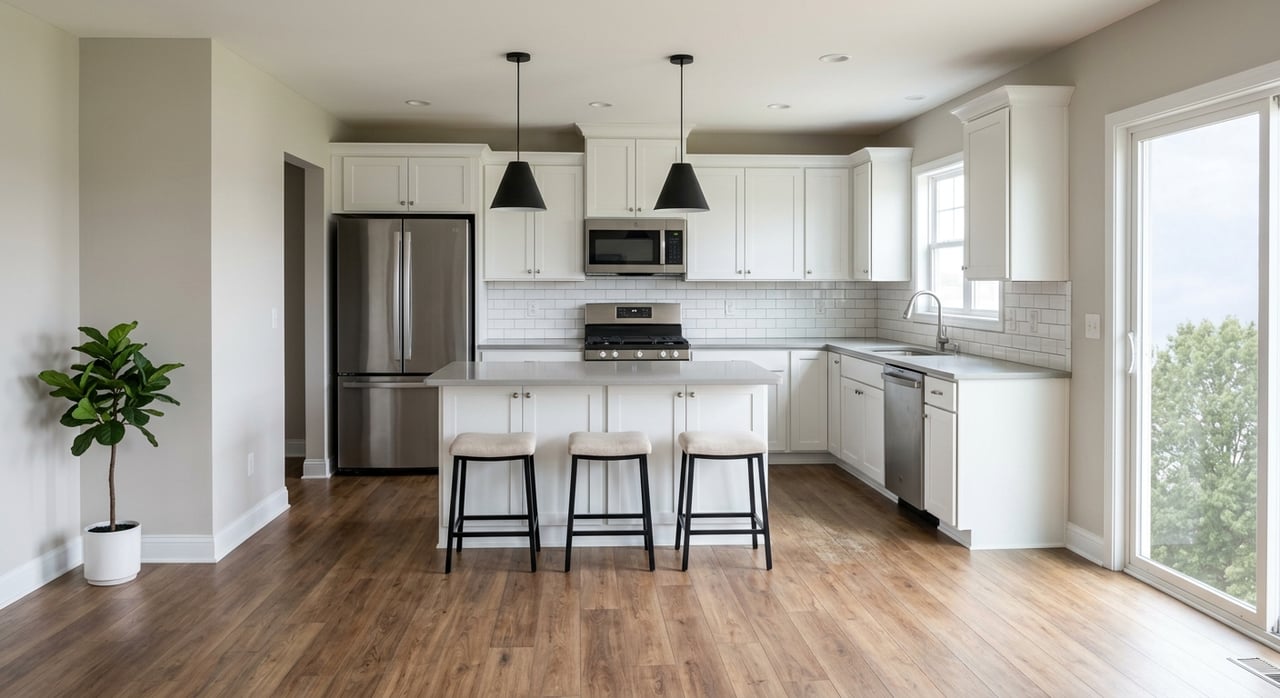
If you are thinking about buying a rental home in north Metro Atlanta, Woodstock and Marietta may both be on your list, but they are not the same kind of investment play. One leans smaller and more owner-occupied, while the other offers a larger rental base and more housing variety. If you want to compare them with more clarity, this guide will help you understand rents, housing stock, local rules, and what to watch before you buy. Let’s dive in.
Woodstock vs. Marietta at a Glance
Woodstock and Marietta sit in the same broader metro area, but they can appeal to different types of rental investors. According to the U.S. Census QuickFacts data for Woodstock, Woodstock has a 64.0% owner-occupied housing rate, a median gross rent of $1,821, and a 2024 population of 39,381.
That points to a smaller city with a more owner-occupied feel. In the same research snapshot, Marietta shows a 47.2% owner-occupied rate, a median gross rent of $1,586, and a 2024 population of 63,122, which suggests a larger and more renter-heavy market.
Home values are relatively close in both cities. The same Census data shows a median owner-occupied home value of $436,500 in Woodstock and $448,500 in Marietta, so your decision may come down less to headline pricing and more to rent potential, property condition, and compliance requirements.
Rental Rates and Demand Signals
One of the biggest questions investors ask is simple: what can you realistically charge in rent? Based on the available sources in the research, the most practical approach is to treat rent as a range rather than one fixed number.
For Woodstock, current listing-based data points to about $1.8K to $2.1K in typical rent, before you adjust for bedroom count, updates, lot size, and exact location. The Woodstock market overview on Realtor.com showed about 299 rentals listed, with recent measures clustering around the high $1,700s to low $2,100s.
For Marietta, the available snapshot suggests a lower but still solid range of about $1.6K to $1.8K. The same research notes roughly 1.0K rentals listed, which supports the idea that Marietta has a deeper rental inventory and a broader renter pool.
That difference matters when you underwrite a deal. Woodstock may offer higher asking rents, but Marietta may give you more inventory to choose from and more ways to find a property that fits your budget and strategy.
Why Single-Family Rentals Still Matter
If you are focused on detached homes, national rent trends add useful context. According to Zillow’s December 2024 rent report, single-family rents were 20% higher than multifamily rents.
That does not guarantee the same spread on every home in Woodstock or Marietta, but it does support the case for suburban single-family rentals. Even when apartment markets soften, detached homes can still command a premium because they often offer more space, storage, parking, and outdoor areas.
At the same time, the research also notes that concession use reached a record high in Zillow’s December 2025 reporting. For you, that is a reminder to stay conservative. Strong property types can still face pricing pressure if the broader rental market becomes more competitive.
Woodstock Investment Profile
Woodstock may appeal to you if you want a rental in a more owner-occupied suburban setting with relatively strong rents. The city also appears to offer a somewhat broader housing mix than the county norm, according to Cherokee County housing research cited in the report.
Woodstock’s zoning framework includes R-1 through R-4 residential districts, along with downtown mixed-use and other districts, as shown through the city’s zoning information resources. That can be helpful if you are exploring different property formats, but it does not replace property-specific due diligence.
For many investors, Woodstock’s appeal is straightforward:
- Higher typical rent range
- Smaller market size
- More owner-occupied environment
- Potential fit for detached suburban rental homes
If your goal is steady long-term rental demand in a suburban setting, Woodstock may check a lot of boxes.
Marietta Investment Profile
Marietta may fit you better if you want more inventory, more housing variety, and more value-add potential. The city’s zoning ordinance covers single-family, attached residential, multifamily, and mixed-use districts, which can create more options depending on your budget and investing style.
According to the city’s zoning ordinance resources, Marietta’s housing stock includes 54% single-family homes, 24% in 5-19 unit buildings, and 17% in 20+ unit buildings. The same research also notes that most rental units are 1-2 bedrooms, which tells you the market includes more compact rental formats than you may see in Woodstock.
Marietta’s biggest opportunity may also be its biggest caution flag. The city’s consolidated planning data says 42% of the housing stock was built before 1980, which means older homes may require more maintenance planning, stronger capital reserves, and extra attention to issues like lead-based paint diligence.
If you are comfortable with more moving parts, Marietta can offer:
- A larger renter base
- More housing types
- More inventory to analyze
- Potential value-add opportunities in older properties
Property Condition Matters More in Marietta
Age is not automatically a problem, but it should shape your budget. In Marietta, older housing stock can mean roof, HVAC, plumbing, electrical, windows, and deferred maintenance need a closer look before you close.
That also affects your cash flow assumptions. A property that looks cheaper on the front end may need more capital in the first few years, so you should not evaluate purchase price alone.
A smart underwriting approach for older homes includes:
- Higher repair and replacement reserves
- A careful inspection period
- Realistic turnover and make-ready costs
- Extra review of any health and safety compliance items
Know the Local Rules Before You Buy
One of the easiest ways to make a costly mistake is to assume a mailing address tells you everything. In both areas, jurisdiction matters.
For Woodstock-area properties, first confirm whether the home is inside Woodstock city limits or in unincorporated Cherokee County. The research points investors to Woodstock’s city boundary GIS resources because local rules can differ depending on where the property sits.
That is especially important if you are considering any hybrid use. Cherokee County requires a short-term rental certificate to lawfully rent, operate, or advertise a short-term rental in county-regulated areas.
Marietta has more hands-on rental compliance. Under the city’s rental housing rules, operators must file a rental license application, arrange an inspection at their own expense through a city-licensed rental housing inspector, obtain a certificate of compliance, notify occupants, and pay required fees.
The city also notes that a Marietta mailing address does not automatically mean the property is inside city limits. That small detail can have a big impact on your timeline and costs.
Georgia Landlord Basics to Budget For
State law matters too. The Georgia landlord-tenant handbook says landlords must keep units safe and habitable, security deposits generally must be returned within one month after lease end or surrender, and eviction must follow the legal dispossessory process.
For out-of-area or first-time investors, that means systems matter just as much as the house itself. You should plan for documented leases, clear turnover procedures, and local support when issues come up.
In practical terms, your budget may need to include:
- Property management
- Legal support if needed
- Inspection costs
- Turnover and cleaning costs
- Ongoing maintenance reserves
How to Underwrite Woodstock and Marietta
A good deal in either city starts with realistic assumptions. The research report recommends using recent asking-rent and median-rent data as a range, not a single number, and that is one of the best ways to avoid overestimating income.
Here is a simple side-by-side view:
| Factor | Woodstock | Marietta |
|---|---|---|
| Market feel | Smaller, more owner-occupied | Larger, more renter-heavy |
| Practical rent range | About $1.8K to $2.1K | About $1.6K to $1.8K |
| Rental inventory snapshot | About 299 listings | About 1.0K listings |
| Housing mix | Detached homes plus some variety | Broader mix of single-family and multifamily |
| Key caution | Verify exact jurisdiction and use rules | Licensing, inspections, and older housing stock |
If you are looking for stronger top-line rent in a suburban single-family setting, Woodstock may stand out. If you are looking for more options and possible value-add opportunities, Marietta may deserve a closer look.
A Smart Pre-Purchase Checklist
Before you move forward on a rental home in either market, slow down and verify the details that can change your returns.
Use this checklist as a starting point:
- Confirm the property’s exact jurisdiction
- Review zoning before underwriting the deal
- Estimate rent using a range, not one optimistic figure
- Budget for repairs, inspections, and turnover costs
- Review HOA documents and rental restrictions before closing
- Verify any permit or license path if short-term or hybrid use is part of your plan
- Set aside larger capex reserves for older Marietta homes
This kind of prep helps you compare deals with more confidence and fewer surprises.
Which Market Fits Your Strategy?
There is no one-size-fits-all answer. Woodstock appears to fit an investor who wants a smaller suburban market with higher typical rents and a more owner-occupied feel. Marietta appears to fit an investor who wants a larger rental base, more property-type variety, and more room for value-add analysis, but also more compliance work and greater attention to property age.
The right choice depends on what matters most to you: rent potential, inventory depth, renovation tolerance, or operational simplicity. If you want help weighing those tradeoffs and finding the right suburban rental opportunity, connect with Sheree Knapp for experienced local guidance.
FAQs
What is the main difference between investing in rental homes in Woodstock and Marietta?
- Woodstock generally offers a smaller, more owner-occupied market with higher typical rents, while Marietta offers a larger renter base, more inventory, and more housing variety.
What rent range should you use for rental homes in Woodstock?
- Based on the research provided, a practical underwriting range for Woodstock is about $1.8K to $2.1K, depending on the home’s size, condition, and location.
What rent range should you use for rental homes in Marietta?
- Based on the research provided, a practical underwriting range for Marietta is about $1.6K to $1.8K, with adjustments for bedroom count, updates, and exact property type.
What should you check before buying a rental property near Woodstock?
- You should confirm whether the property is inside Woodstock city limits or in unincorporated Cherokee County, because local rules and short-term rental requirements can differ.
What compliance steps apply to rental homes in Marietta?
- Marietta requires operators to file a rental license application, complete an inspection through a city-licensed rental housing inspector, obtain a certificate of compliance, notify occupants, and pay required fees.
Why do older Marietta homes need extra review for rental investing?
- The research shows a large share of Marietta’s housing stock was built before 1980, so older homes may require more maintenance planning, stronger reserves, and additional diligence before purchase.